

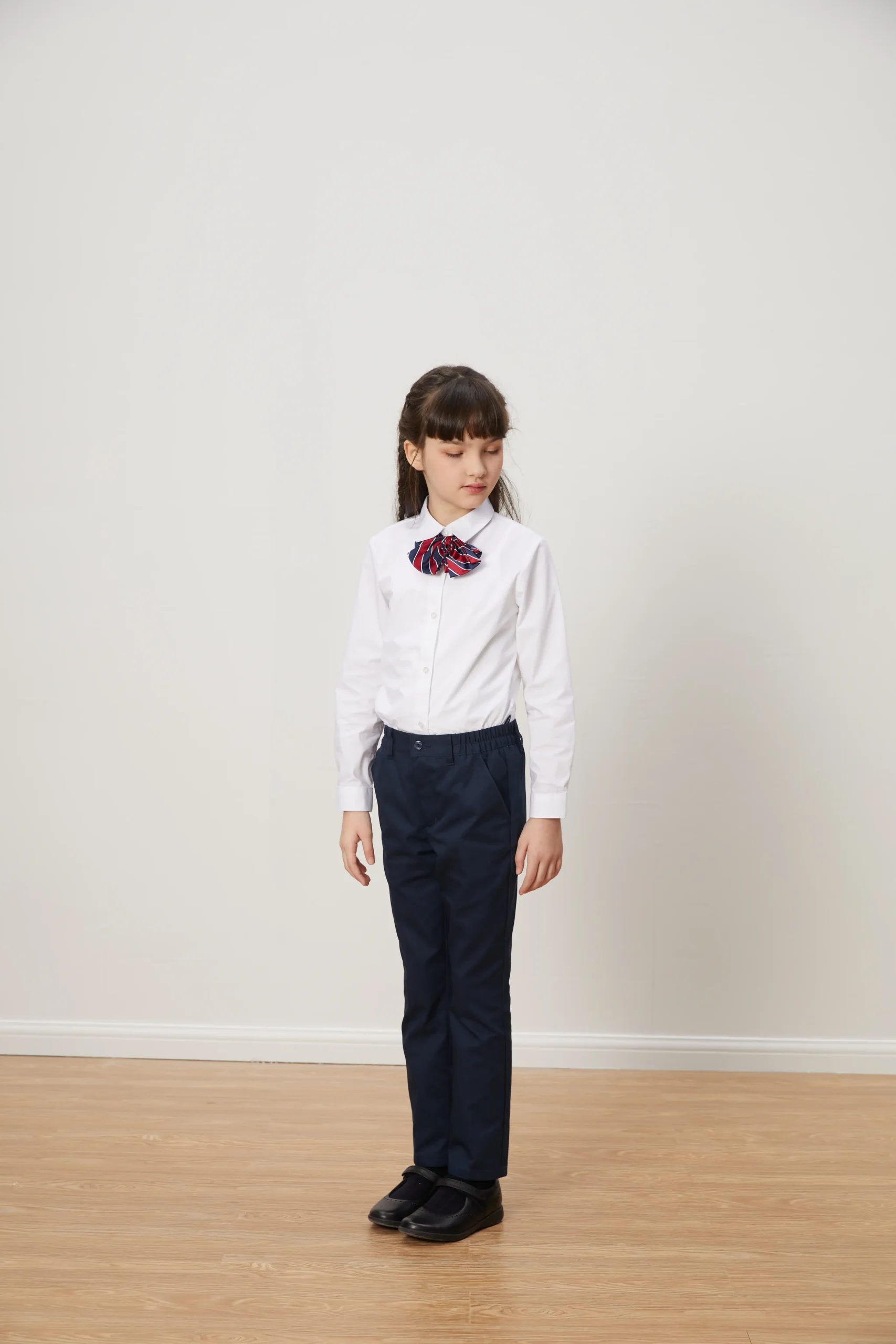

You can augment your school’s attire by choosing environmentally friendly fabric and customizing the designs to both promote comfort and instill a brand’s identity. Many schools now partner with eton kidd to create Customized School Uniforms that are of high quality, fashionable, and long-lasting. Through your association with eton kidd, you promote both student comfort and environmental stewardship. This method has immediate benefits for your students, your school’s reputation, and the planet. Think of the positive aspects of your decision.
Eco-Friendly Fabrics in School Uniforms
What Are Eco-Friendly Fabrics
Eco-friendly fabrics facilitate a decrease in the environmental impact of your school’s uniforms. These materials have a lower chemical consumption, less water consumption, and are supportive of ethical manufacturing. When you wear environmentally friendly fabric, you demonstrate your devotion to sustainability and the health of your students. Many procurement experts now seek out these fabrics to achieve both environmental and health benefits. Brands like eton kidd offer a variety of environmentally friendly options, which will allow you to fit in with your school’s values.
Eco-friendly fabric, such as organic cotton, has a lower environmental impact. They have a lower chemical usage and promote more effective soil health. Organic cotton uses as little as 91% of the water available in local sources in comparison to conventional cotton.
Types of Eco-Friendly Fabrics
You can select from several types of eco-friendly fabrics for school uniforms. Each fabric offers unique benefits for comfort, durability, and sustainability.
| Fabric Type | Characteristics |
|---|---|
| Organic Cotton | Requires no chemical fertilizers and pesticides; supports sustainability when certified (Fairtrade). |
RPET and PLA
RPET (Recycled Polyester) comes from recycled plastic bottles. It reduces plastic waste and offers durability. PLA (Polylactic Acid) is a bioplastic made from renewable resources like corn starch. Both options help you lower your school’s carbon footprint.
Certifications for Eco-Friendly Fabrics
Certifications give you confidence in your fabric choices. They guarantee that the materials meet strict environmental and safety standards. When you work with suppliers like eton kidd, you can request certified fabrics to ensure quality and compliance.
OEKO-TEX®
OEKO-TEX® certification means the fabric contains no harmful substances. This protects students, especially those with sensitive skin.
GRS, BSCI, SGS, ASTM
These certifications cover recycled content, social responsibility, and product safety. You can use them to verify that your uniforms meet global standards.
Tip: Always ask your supplier for certification documents. Reliable partners like eton kidd provide full transparency and help you meet your school’s sustainability goals.

Benefits of Customized Eco-Friendly Uniforms
Environmental Impact
Reduced Emissions
You can make a significant difference in your school’s carbon footprint by choosing customized eco-friendly uniforms. Traditional polyester sports shirts require 109 MJ of energy and 2,882 liters of water to produce. By switching to eco-friendly fabrics and sustainable practices, you help reduce these emissions. When you select high-quality materials, buy only what your students need, and encourage uniform sharing or recycling, you further minimize your environmental impact.
- Customized eco-friendly uniforms lower carbon emissions compared to traditional options.
- Families can reduce their footprint by maintaining uniforms and choosing recycled materials.
- Schools that adopt these practices show leadership in environmental responsibility.
Waste Reduction
Uniform waste creates a major challenge for schools and the environment. If each of the 3.9 million students in Australia discarded just one polo shirt, the waste would weigh as much as 206 humpback whales. You can help reduce this burden by extending the life of each garment. Even adding three months to the average use of a uniform can lower its carbon footprint, water use, and waste generation by up to 10%.
| Evidence Type | Description |
|---|---|
| Waste Generation | 3.9 million students discarding one polo shirt = 8,619 tons of waste (206 humpback whales). |
| Environmental Impact | Extending garment use by three months cuts carbon, water, and waste by 5–10%. |
| Financial Burden | Annual uniform costs in New South Wales: AUD 250–300 per student. |
You can also reduce costs for families and your school by choosing durable, long-lasting uniforms.
Student Health and Comfort
Breathability
Your students stay comfortable throughout the school day, even in warm weather. These materials help regulate body temperature and reduce sweat, which supports focus and well-being.
Skin-Friendly Materials
You want uniforms that protect students with sensitive skin. Eco-friendly fabrics avoid harsh chemicals and dyes, making them gentle and safe. Certifications like OEKO-TEX guarantee that the materials contain no harmful substances. When you choose certified uniforms from trusted brands like eton kidd, you show your commitment to student health.
Durability
Durability matters for both your budget and the environment. Eco-friendly blends offer lightweight comfort and strong performance. Traditional polyester is known for its durability, but modern, eco-friendly options now match or exceed this standard.
| Feature | Eco-Friendly Blends | Traditional Polyester |
|---|---|---|
| Durability | Lightweight yet durable | Highly durable |
You can rely on these uniforms to withstand frequent washing and daily wear, reducing the need for replacements.
School Identity and ESG Goals
Branding
Customized eco-friendly uniforms help you strengthen your school’s brand. You can design uniforms that reflect your school’s values and commitment to sustainability. When you use eco-friendly fabrics and ethical production, your school stands out as a leader in environmental responsibility.
- Structured textile recycling programs reduce waste and boost your ESG scores.
- Schools that adopt these programs appeal to eco-conscious families and communities.
Community Engagement
You can involve students, parents, and staff in your uniform decisions. Community engagement builds pride and encourages everyone to support sustainable choices. When families see your commitment to responsible practices, they become more invested in your school’s mission.
Meeting ESG Standards
Meeting Environmental, Social, and Governance (ESG) standards is now a priority for many educational institutions. By choosing eco-friendly uniforms and working with certified suppliers like eton kidd, you help your school achieve these goals. Recent studies show that 85% of Millennials value social impact, and 93% of Gen Z expect brands to advocate for environmental issues. Your uniform program can become a key part of your school’s ESG strategy.
Tip: When you choose eco-friendly fabrics and partner with transparent suppliers, you not only protect the environment but also enhance your school’s reputation and meet the expectations of today’s families.
Customization Options for School Uniforms
When you choose customized school uniforms, you gain flexibility in design, color, and fit. These options help you meet the needs of your students and reinforce your school’s identity. Brands like eton kidd offer a wide range of customization choices, making it easier for you to create uniforms that reflect your values and priorities.
Design Flexibility
Styles and Features
You can select from many styles and features to suit your school’s requirements. Popular choices include pull-up trousers, girls’ school shirts, and eco-friendly blazers. When you invest in quality, you ensure longer wear and better value over time. You also support responsible production by choosing eco fabrics such as recycled polyester or responsibly sourced cotton.
- Choose eco fabrics such as recycled polyester or responsibly sourced cotton.
- Invest in quality for longer wear and better value over time.
- Buy consciously, prioritizing ethical production and sustainability.
- Eco schoolwear reduces waste and supports responsible production.
- Popular choices include pull-up trousers and girls’ school shirts.
Emblems and Logos
You can add your school’s emblem or logo to each uniform piece. This feature strengthens your school’s brand and fosters a sense of pride among students. Embroidery and printing techniques allow you to display your school’s identity clearly and professionally. eton kidd provides advanced customization options, ensuring your logos remain vibrant and durable.
Color and Pattern Choices
School Colors
Colors play a vital role in how students and the community perceive your school. You can select shades that match your school’s branding and values. Custom uniforms can reflect your school’s core values and cultural heritage, enhancing student satisfaction.
Uniforms are a powerful symbol of unity and equality among students, fostering a sense of community and shared values.
Patterns (Plaids, Stripes)
Patterns such as plaids and stripes add character to your uniforms. You can choose classic or modern designs to set your school apart. Patterns also help you create a unique look that students and parents recognize instantly.
- Colors evoke emotions and convey messages, influencing how students perceive their school.
- Patterns like plaids and stripes offer both tradition and distinction.
Fit and Sizing
Inclusive Sizing
You want every student to feel comfortable in their uniform. eton kidd offers a broad range of sizes to ensure well-fitting garments for your entire student body.
Tailored Fit
A tailored fit improves comfort and appearance. You can request adjustments for sleeve length, waist size, or pant length. Tailored uniforms help students look polished and feel confident throughout the school day.
Tip: When you work with experienced suppliers like eton kidd, you receive expert guidance on design, sizing, and fabric selection. This support helps you create uniforms that meet your school’s needs and sustainability goals.

Implementing Customized Eco-Friendly Uniforms
Choosing Eco-Friendly Fabrics
Assessing Material Properties
You need to evaluate fabric properties carefully when selecting materials for school uniforms. Comfort, durability, and environmental impact should guide your decision. Organic cotton offers softness and breathability, helping students stay comfortable throughout the day. Polyester-cotton blends provide strength and resist wear, making them suitable for active students who need uniforms that last.
- Comfort: Choose fabrics like organic cotton and bamboo blends for softness and breathability.
- Durability: Select polyester-cotton blends for strength and resistance to frequent washing.
- Environmental Impact: Opt for organic fabrics to demonstrate your commitment to sustainability.
You can request fabric samples from suppliers to compare texture, weight, and performance. This step ensures you select materials that meet both student needs and your school’s sustainability goals.
Balancing Sustainability and Performance
Balancing sustainability with performance is essential. You want uniforms that support your environmental objectives but also withstand daily use. Modern eco-friendly fabrics now match or exceed the durability of traditional materials. For example, recycled polyester made from plastic bottles offers both strength and a reduced carbon footprint.
Tip: Collaborate with your supplier to explore innovative materials, such as garments made from recycled plastic bottles. This approach helps you meet sustainability targets without sacrificing quality.
You can also implement the use of recycled and recyclable bags for uniform distribution, further reducing your environmental impact. Establishing a system for donating unwanted sports gear and promoting the reuse of old uniforms helps minimize waste and supports a circular economy.
Partnering with Sustainable Suppliers
Supplier Certifications
You should partner with suppliers who demonstrate a clear commitment to sustainability and ethical practices. Look for certifications such as OEKO-TEX and GRS, which verify that materials meet strict environmental and safety standards. Reliable suppliers also comply with labor standards to combat modern slavery and ensure ethical sourcing of raw materials.
| Certification | What It Ensures |
|---|---|
| OEKO-TEX | Free from harmful substances |
| GRS | Recycled content and responsible practices |
You can request documentation from your supplier to confirm these certifications. This step protects your school’s reputation and ensures compliance with procurement policies.
OEM & ODM Solutions
When you need large quantities of uniforms, you benefit from suppliers who offer OEM (Original Equipment Manufacturer) and ODM (Original Design Manufacturer) solutions. eton kidd provides a one-stop custom uniform service, managing every stage from design to delivery. Their product range includes insulated jackets, knit pants, T-shirts, shirts, skirts, dresses, sweaters, and outerwear. You can rely on their optimized process for mass production, quality assurance, and logistics, making them an ideal partner for bulk procurement.
- End-to-end service: eton kidd handles design, sampling, production, and delivery.
- Product range: Choose from a wide selection, including outerwear and specialty items.
- Process optimization: Benefit from streamlined mass production and robust quality checks.
You can also expect sustainable operations, such as the use of recycled packaging and minimized single-use plastics. A robust supply chain with traceability and quality management ensures you receive consistent, high-quality uniforms.
Engaging Stakeholders
Student and Parent Input
You achieve the best results when you involve your school community in the transition to eco-friendly uniforms. Communicate with students, parents, and the governing body to discuss the benefits of ethical uniforms. Explain how these choices positively impact the environment and align with values such as the UNICEF Rights Respecting School framework.
- Hold information sessions to gather feedback and answer questions.
- Share updates on the progress of your uniform program.
- Celebrate achievements and milestones with your community.
This approach builds support and encourages families to participate in sustainable practices, such as donating or reusing uniforms.
Staff Involvement
Staff play a key role in the successful adoption of new uniforms. Involve teachers and administrative staff in the selection process to ensure the uniforms meet practical needs for comfort, durability, and appearance. Staff can also help communicate the benefits of eco-friendly uniforms to students and parents.
Note: Recognize and celebrate your school’s achievements in adopting ethical uniform policies. Apply for awards or recognition that highlight your commitment to sustainability. This not only boosts morale but also enhances your school’s reputation in the wider community.
By following these steps, you create a collaborative environment that supports the successful implementation of customized eco-friendly uniforms. You also inspire other schools and organizations to adopt similar sustainable practices.
Managing Costs and Budgets
When you plan to introduce customized eco-friendly uniforms, you need to manage costs and budgets carefully. Understanding the financial aspects helps you make informed decisions and ensures your school receives the best value.
Cost Comparison
You may wonder if eco-friendly uniforms cost more than traditional options. The initial price of sustainable fabrics can be higher, but you often save money over time. Eco-friendly uniforms last longer and require fewer replacements. Durable materials like organic cotton, recycled polyester, and hemp resist wear and tear, which means you buy less often.
You also benefit from reduced waste disposal costs. When you choose suppliers like eton kidd, you receive guidance on selecting materials that balance quality and price. Their experience in bulk procurement helps you optimize your budget and avoid unnecessary expenses.
Long-Term Value
Investing in customized eco-friendly uniforms brings lasting benefits to your school. You support sustainability, promote ethical production, and enhance your school’s reputation. The long-term value goes beyond the initial purchase.
| Key Points | Description |
|---|---|
| Sustainability | Eco-friendly materials and responsible manufacturing reduce environmental impact. |
| Ethical Production | Promotes social responsibility and trust among stakeholders. |
| Brand Reputation | Enhances brand image, appealing to environmentally conscious families. |
You instill in your students a look that is both intelligent and inviting. Responsible material selections promote a culture of care and considerateness. When you partner with trusted partners like eton kidd, your school will align with the increasing popularity of sustainability. Families are increasingly concerned with finding schools that minimize the environmental impact while still providing a high degree of quality and student comfort.
You can reinvigorate your school’s uniform initiative by selecting environmentally friendly fabric. This method promotes student comfort, increases your brand, and decreases environmental impact. Partnering with experienced vendors like eton kidd provides you with professional guidance and proven materials. Next, take the next step: talk to eton kidd to explore practical options that are sustainable, request samples, and involve your community in the decision-making process. Your leadership can establish a new standard of responsible clothing.